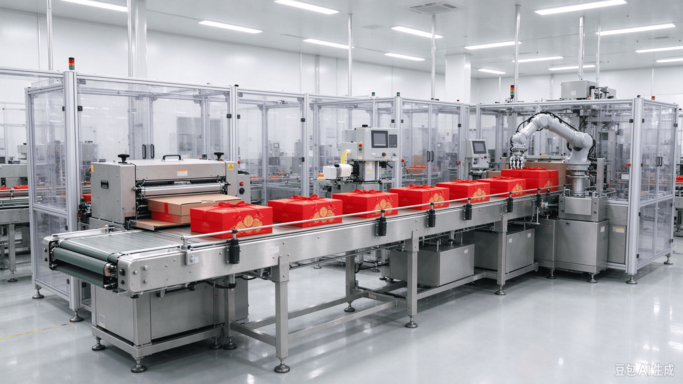
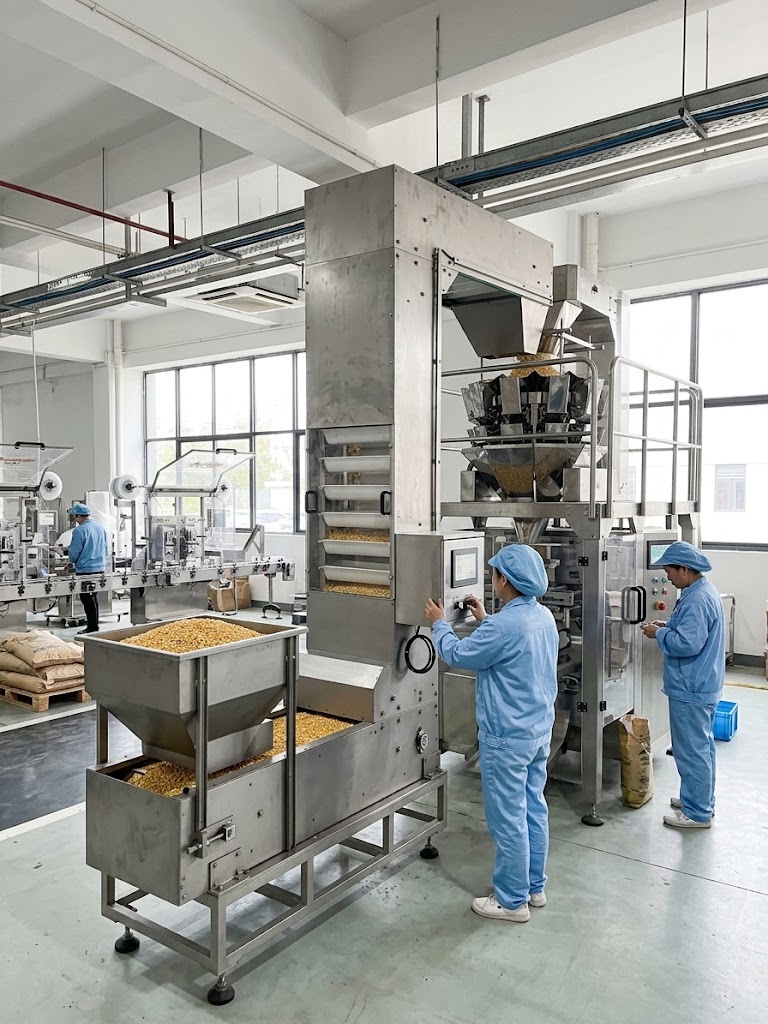
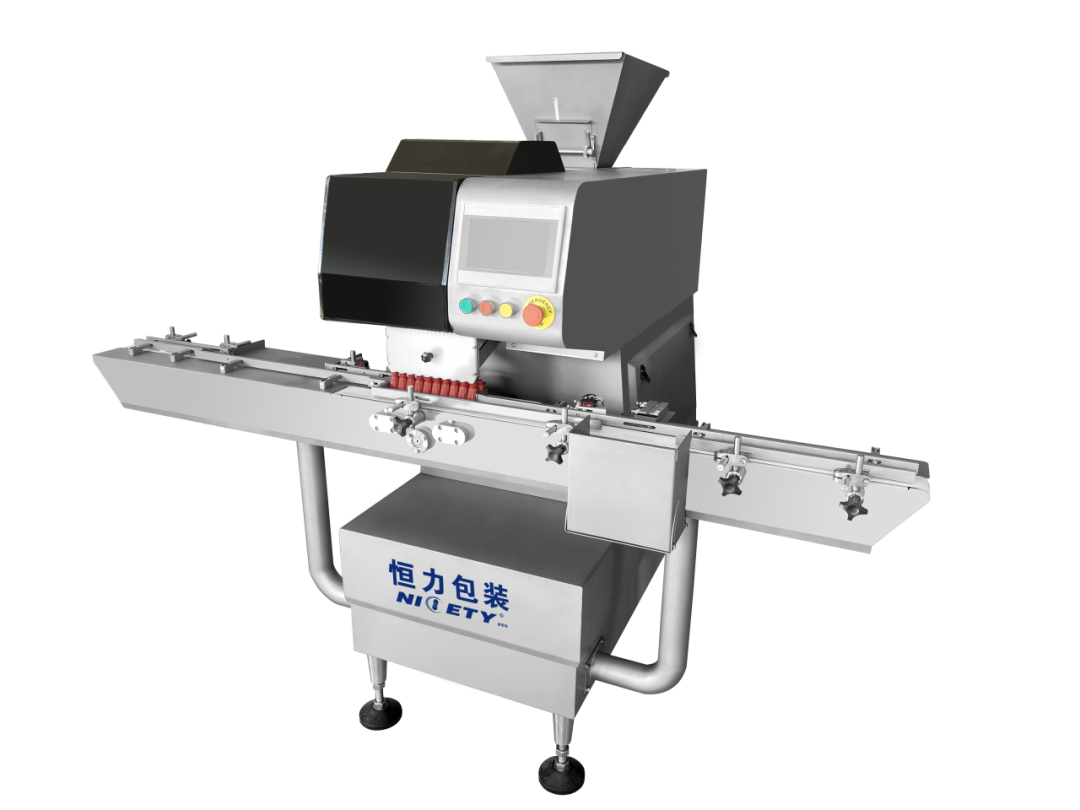
Scaling Up: Why an Automated Counting & Bottle Packaging Line is Your Next Big Upgrade
2026-10-09
If you’ve ever managed a packaging floor, you already know the ultimate headache: bottlenecking.
You’ve got high-demand products ready to ship, but your packaging process is slowing you down—or worse, inaccurate counting is leading to short-filled bottles and unhappy customers.
When your output reaches a certain scale, semi-automatic setups or piecemeal machinery just can’t keep up. That’s where a fully integrated, automated counting and bottle-packaging line comes in.
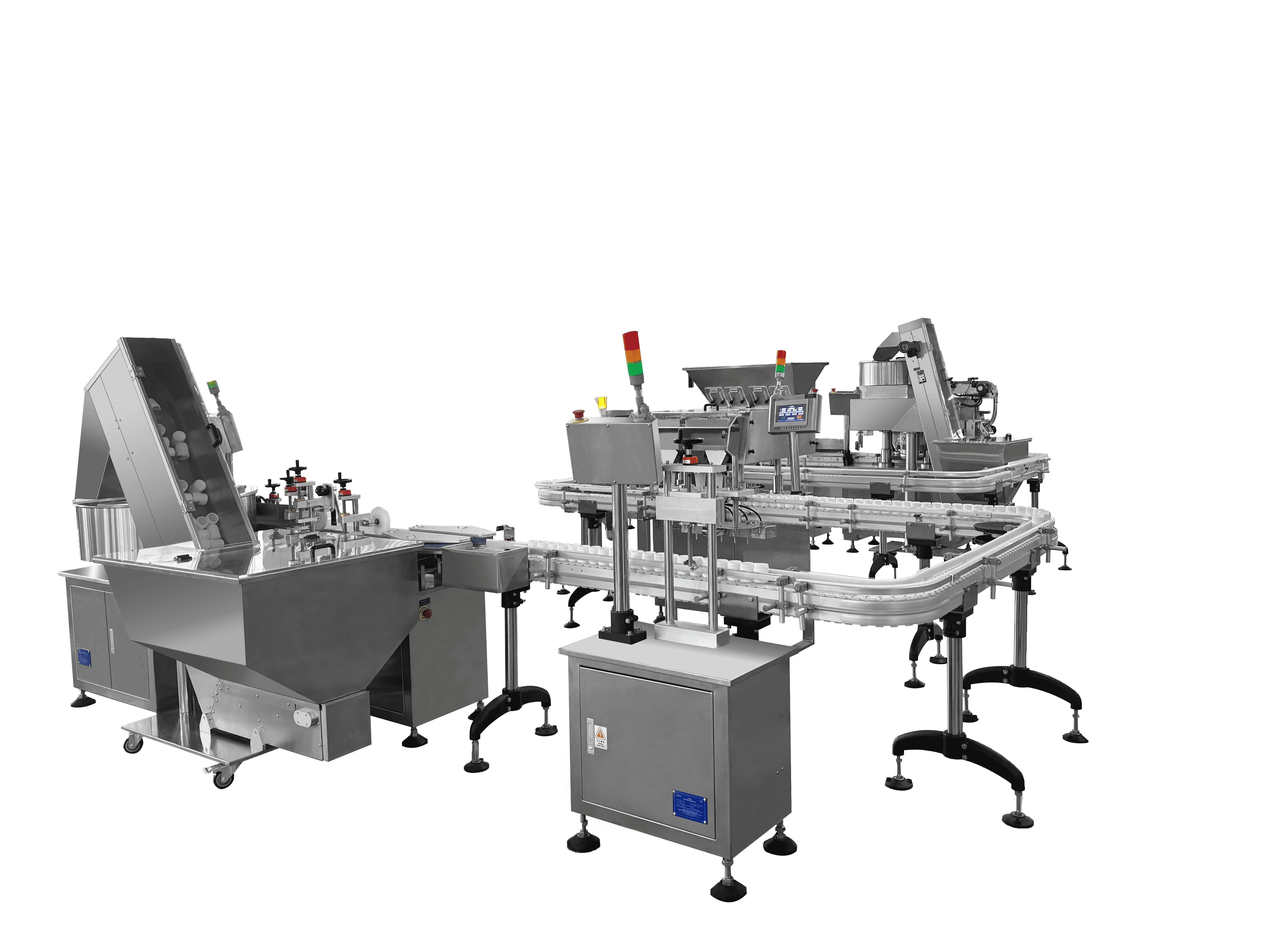
Here’s a practical look at how this line actually works, where it fits best, and why it’s becoming the standard for modern production lines.
The Workflow: From Bulk Containers to Sealed Bottles
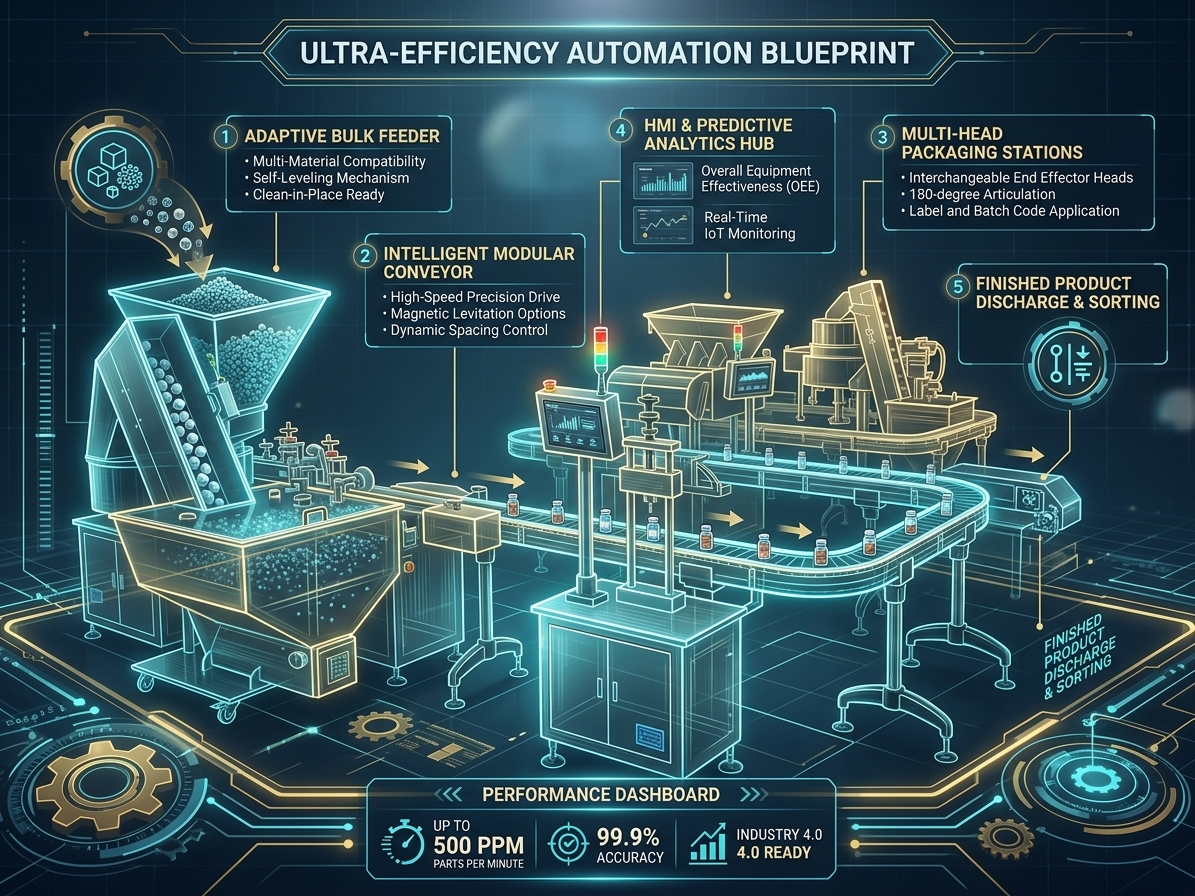
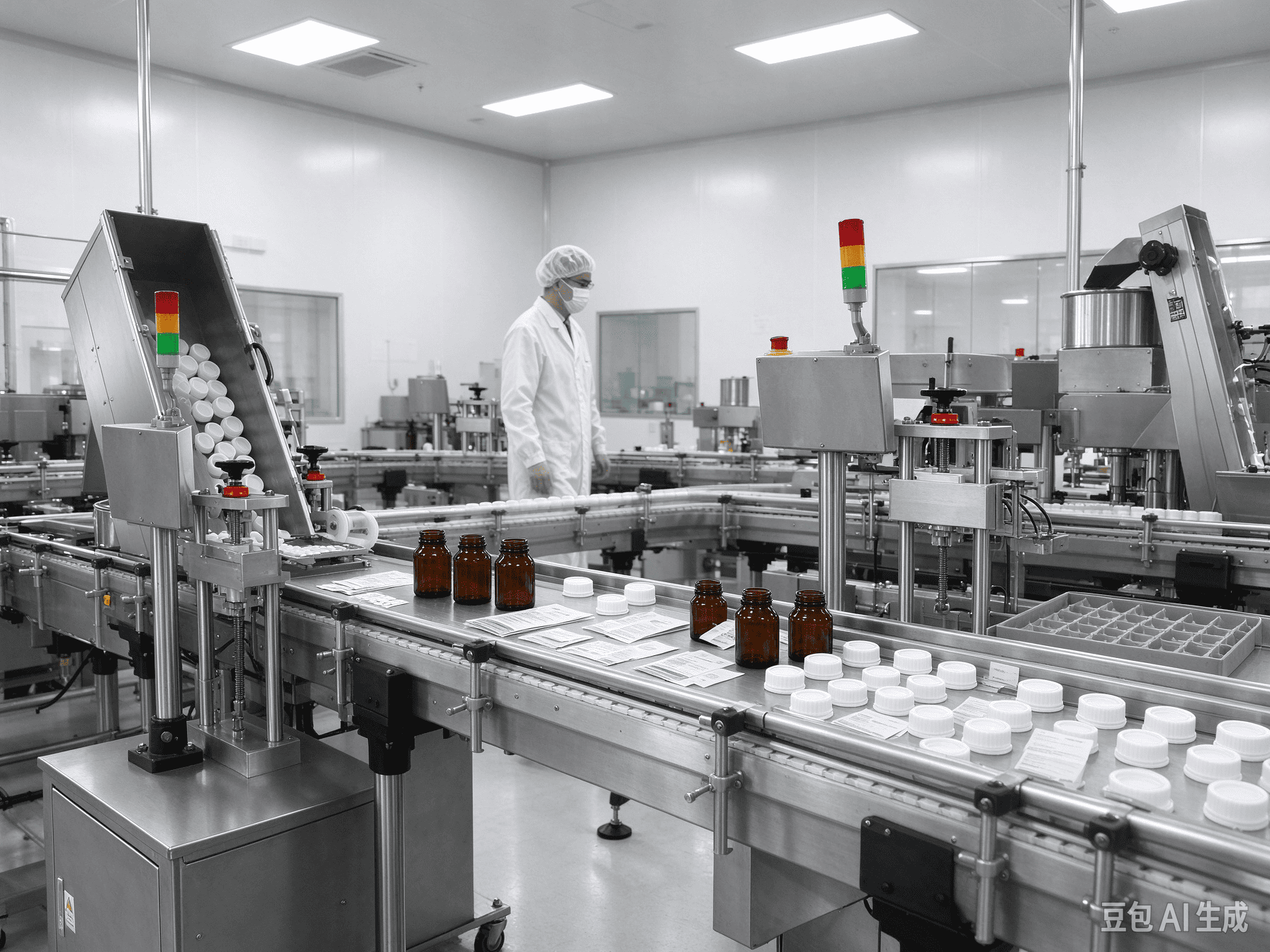
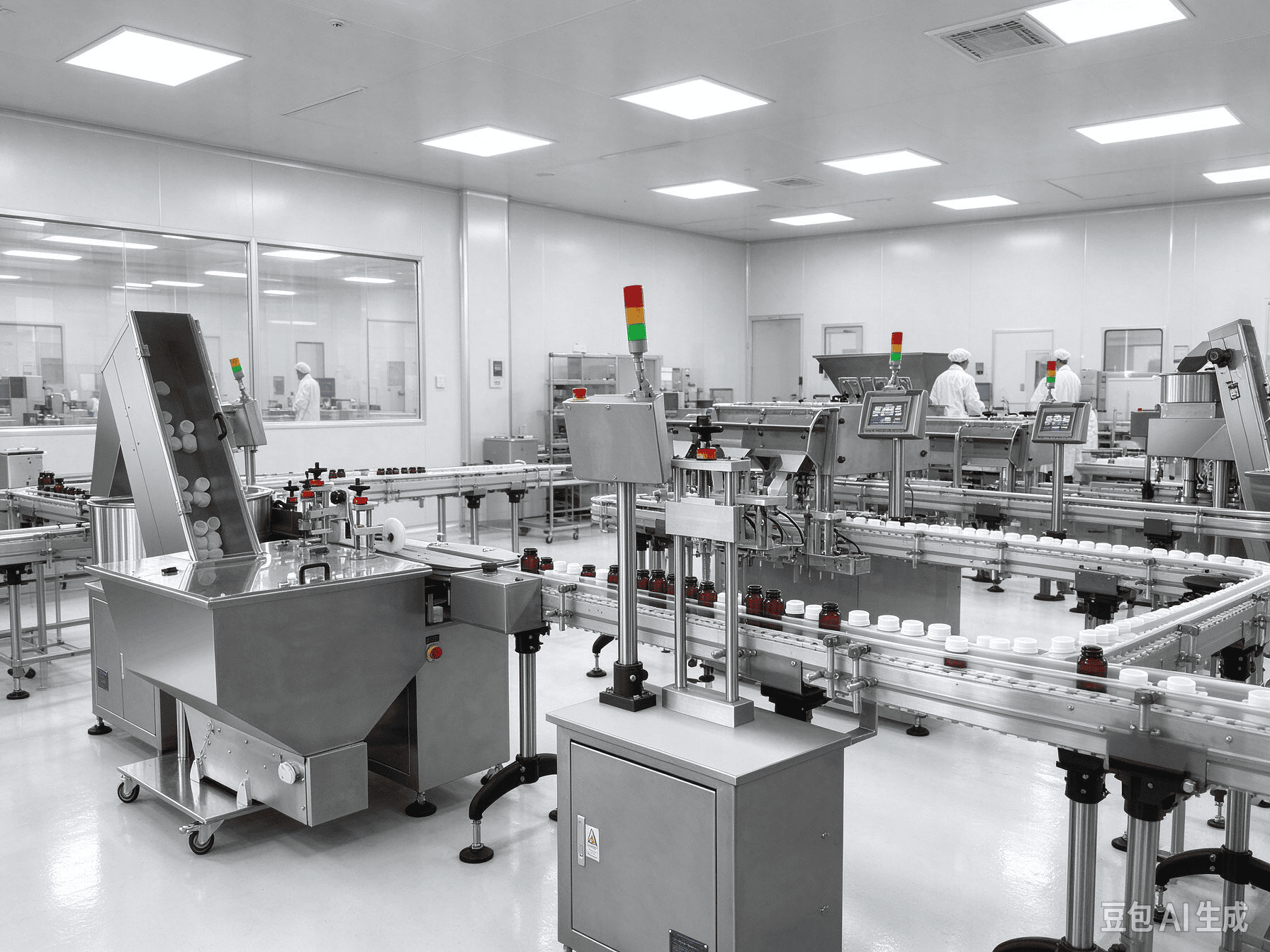
Instead of forcing operators to babysit multiple standalone machines, a complete line integrates each step into one continuous flow:
1. Bulk Infeed & Unscrambling
It starts at the incline elevator. Bulk empty containers are dumped straight into the hopper, automatically oriented, and fed onto the line upright. No manual bottle placement required.
It starts at the incline elevator. Bulk empty containers are dumped straight into the hopper, automatically oriented, and fed onto the line upright. No manual bottle placement required.
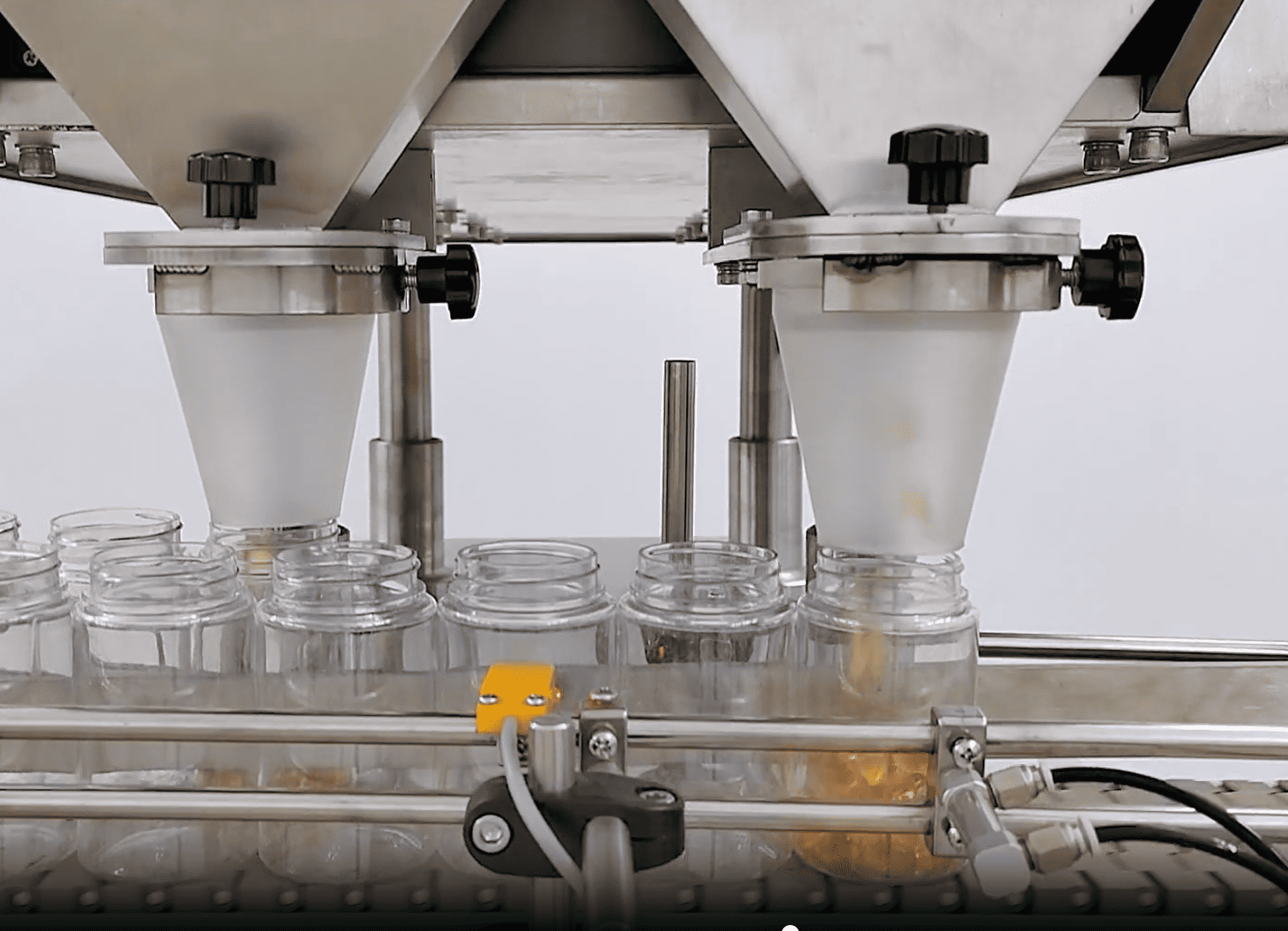
2. Multi-Channel Electronic Counting & Filling
As bottles move along the conveyor, they reach the counting head. Using multi-channel vibratory tracks and optical photoelectric sensors, the system drops the exact quantity of product—whether it’s tablets, gummies, or hardware—into each bottle with zero guesswork.
3. Capping, Sealing, and Quality Control
Once filled, containers pass directly into automated capping and sealing modules. Integrated sensors verify bottle alignment and fill levels, using status lights and an intuitive touchscreen (HMI) to keep operators informed in real time.
This equipment is built for speed, hygienic handling, and precise piece counts. The most common industries using this setup include:
Nutraceuticals & Pharma: Gel caps, vitamin tablets, softgels, gummies, and coated pills where strict dosage accuracy and GMP compliance are non-negotiable.
Food & Confectionery:Candies, mints, chocolates, nuts, and small snacks that need fast, hygienic jar or bottle packing.
Industrial & Household Goods:Laundry pods, dishwasher tablets, small plastic components, or hardware pieces where accurate counting avoids costly overfills.
What Actually Makes This Worth the Investment?
1. Eliminating Overfills and Short-Counts
Giving away extra product hurts your margins, but short-counting pisses off buyers. High-speed electronic sensors ensure each bottle leaves the line with the exact count intended—protecting both your bottom line and your brand reputation.
2. High Throughput with Minimal Labor
Instead of needing a team of 4 to 6 people running individual stations, a single operator can monitor an entire automated line. That lowers labor cost per unit while dramatically boosting daily output.
3. Built for Fast Toolless Changeovers
A common fear with automated lines is downtime during product switches. Good packaging machinery uses modular quick-change components, letting your team switch bottle sizes or product counts with minimal tools and very little hassle.
Investing in an automated packaging line isn't just about buying hardware—it’s about eliminating bottlenecks, lowering operating costs, and scaling your production for the long haul.
Need a custom setup for your specific bottle size, product shape, or speed requirements? Drop us a message or request a quote today, and let's design a line that fits your factory floor.
Multi-Product Packing Line Runs Successfully During the Mid-Autumn Festival Season
Related Article