Turning Away Orders Due to Labor Shortages? How One Chocolate Factory Scaled Up with Automation
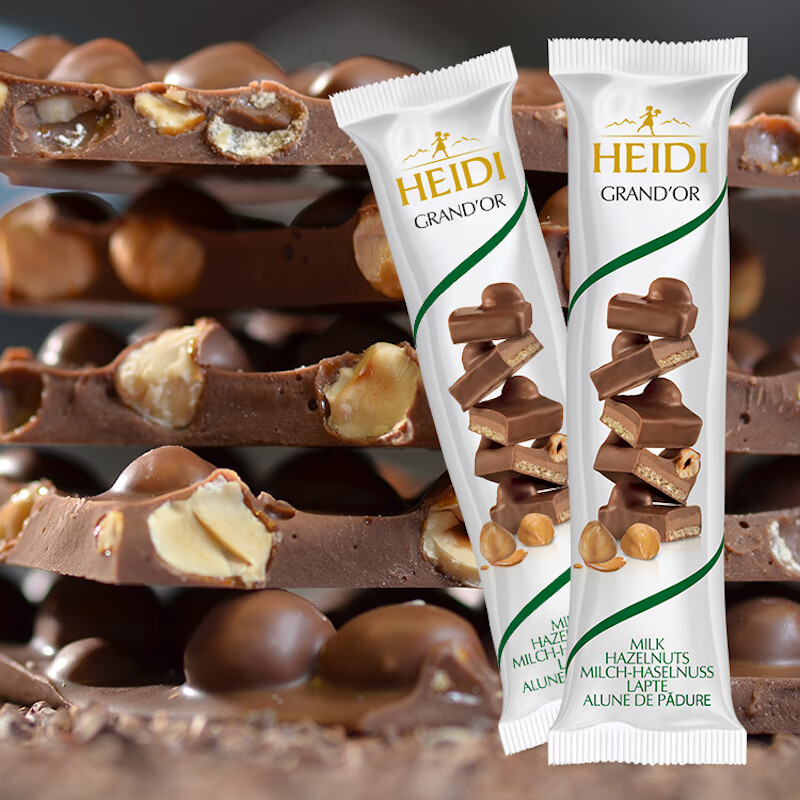
When orders are growing, the last thing a food manufacturer wants is to turn customers away because the factory cannot pack products fast enough.
That was the situation faced by a leading chocolate and biscuit manufacturer in Uzbekistan. With its export business expanding into Kazakhstan, Armenia, and other markets, orders were coming in faster than the existing packaging line could handle.
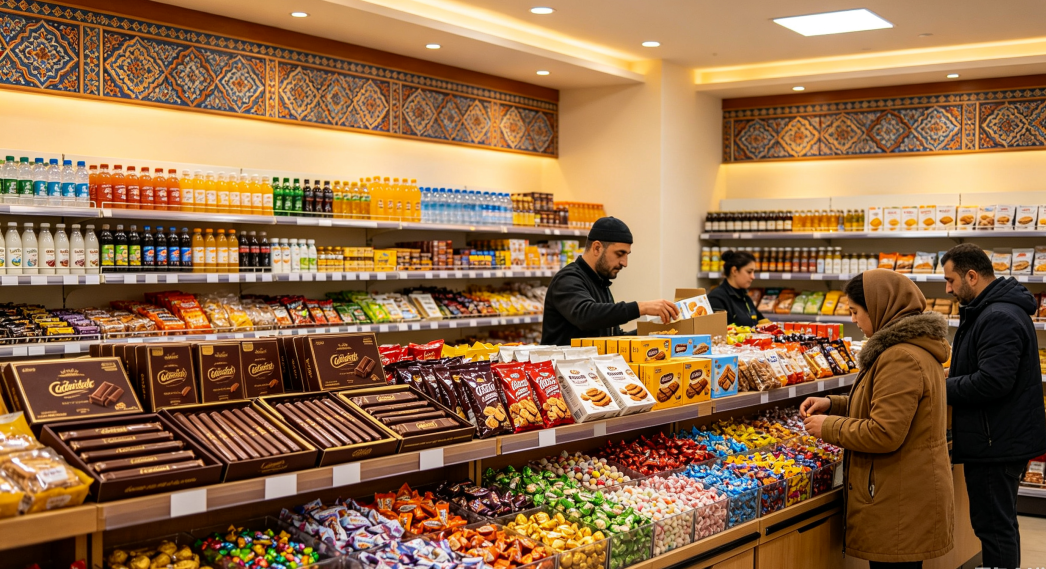
The problem was not production capacity alone. Packaging had become the bottleneck.
The company was still relying heavily on manual packaging processes, which made it difficult to increase output without adding more workers, more shifts, and more management effort.
Manual Packaging Was Limiting Production Capacity
Manual or semi-automatic cartoning can work well when production volumes are relatively low. But as orders increase, the limitations become much more obvious.
Output Depends on People
With manual packaging, production speed is closely tied to the people working on the line.
Fatigue, staff shortages, and differences in working speed can all affect daily output. During busy periods, simply adding more orders does not mean the factory can increase capacity at the same rate.
For a manufacturer serving multiple export markets, this can quickly become a serious problem.
Product Changeovers Take Time
Chocolate products are rarely limited to one format.
Different products may require different carton sizes, packaging arrangements, or loading methods. When much of the process is done manually, changing from one product to another can involve stopping the line, rearranging the workspace, and adjusting the process by hand.
Every minute spent on changeover is time that could have been used for production.

Finding Packaging Workers Is Getting Harder
Labor availability is another challenge faced by food manufacturers in many markets.
Packaging work can be repetitive, and maintaining a stable team is not always easy. When experienced workers leave, new employees need to be recruited and trained before they can work efficiently.
For a growing factory, constantly solving the same staffing problem is not a good way to increase capacity.
And there is another issue: labor costs continue to rise, making manual packaging more expensive over time.
Chocolate Needs More Than Just Speed
Increasing packaging speed is only part of the challenge when the product is chocolate.
Chocolate bars and other coated products can be sensitive to temperature, friction, and rough handling. A product may come out of the production line in perfect condition, but a small scratch or scuff during feeding or sorting can affect its appearance.
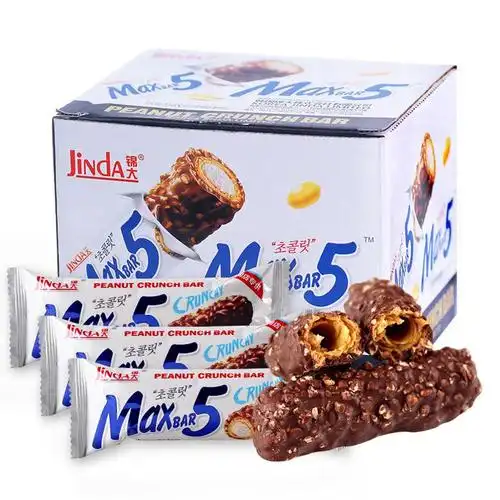
This matters even more for premium products and gift packaging, where presentation is part of the product itself.
For this reason, an automated chocolate packaging system needs to be fast, but also careful.
The goal is not simply to move more products per minute. The products need to arrive at the cartoning station in the right position and without unnecessary contact or impact.
The Solution: An Automated Cartoning Line
To address the bottleneck, a customized automated cartoning line was developed for the Uzbekistan factory.
The new system covers the key steps from product feeding and arrangement to carton forming, loading, and sealing.
Careful Product Infeed
The first challenge was handling the chocolate without damaging its surface.
A flexible conveyor and feeding system was designed to keep the products moving smoothly while arranging them into the required position for cartoning.
This reduces unnecessary manual handling and helps maintain a more consistent feeding process.
Automatic Carton Forming and Loading
Once the products are ready, the system automatically forms the cartons and coordinates product loading with the packaging cycle.
Instead of workers manually placing products into boxes one by one, the machine handles the process at a consistent speed.
This gives the factory a more predictable output and makes it much easier to plan production around incoming orders.
Automatic Sealing
After the products are loaded, the cartons are automatically closed and sealed.
Depending on the production requirements, additional functions such as coding and labeling can also be integrated into the line.
The equipment can also be adjusted for different product specifications, making it suitable for manufacturers handling several chocolate products rather than just one fixed format.
More Than Just Replacing Manual Labor
For this project, automation was not simply about replacing workers with machines.
The bigger goal was to remove the packaging bottleneck that was preventing the factory from making full use of its production capacity.
With an automated system in place, the manufacturer can reduce its dependence on manual packaging, maintain more consistent production speeds, and handle growing order volumes more efficiently.
It also gives the factory more flexibility when production requirements change.
That is particularly important for food manufacturers supplying different markets, where product formats and packaging requirements may vary from one customer to another.
From Our Factory to Uzbekistan
After manufacturing and factory testing were completed, the automated cartoning equipment was prepared and shipped to the customer's facility in Uzbekistan.
The project also includes on-site technical support for installation, commissioning, and calibration.
For an overseas automation project, the work does not end when the machine leaves the factory.
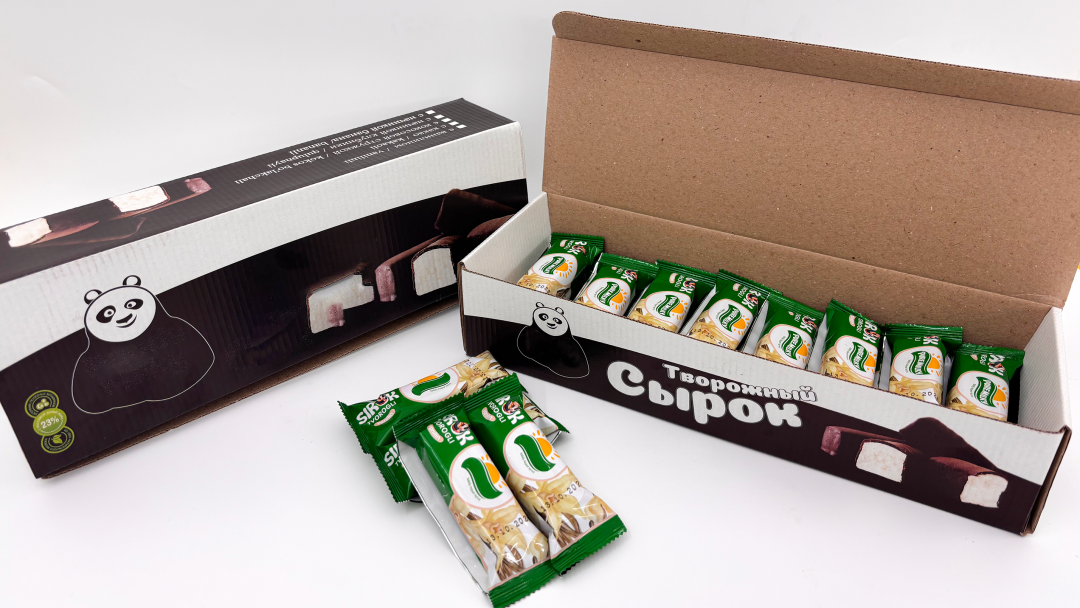
Proper installation and commissioning are just as important as the equipment itself. On-site support helps the customer get the line running correctly and allows the machine to be adjusted according to the actual production environment.
Automation for Today's Chocolate Market
Chocolate packaging is becoming more diverse.
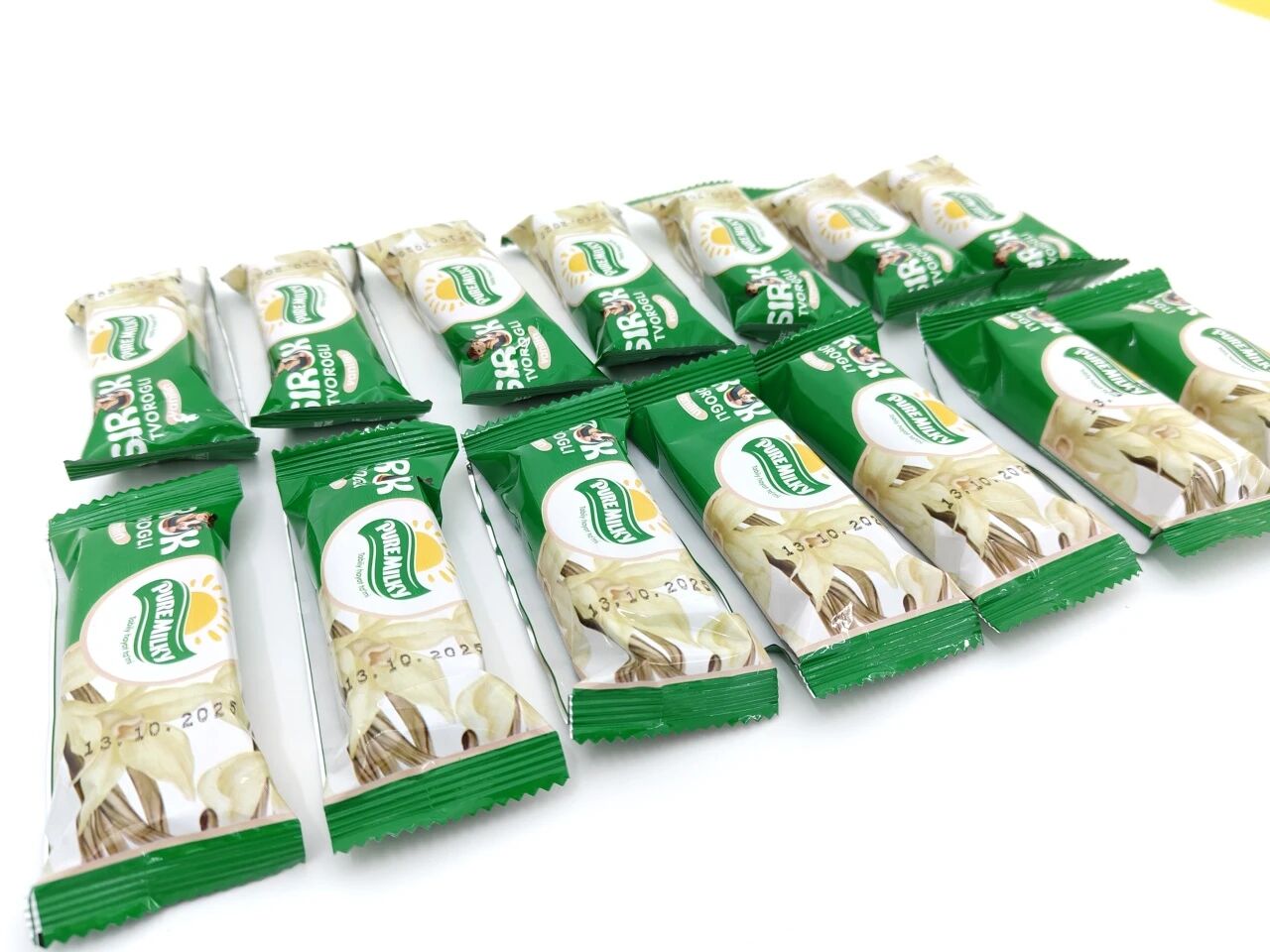
A factory may need to handle traditional chocolate bars, pillow-packed products, multi-packs, seasonal packaging, or premium gift boxes. Each format can bring different requirements for feeding, arranging, cartoning, and sealing.
That is why a one-size-fits-all approach does not always work.
A modular packaging system gives manufacturers more room to adapt as their products and order volumes change.
For this Uzbekistan project, automation helped solve a very practical problem: the factory was growing faster than its manual packaging process could handle.
When packaging becomes the bottleneck, adding more people is not always the only answer. In the right production environment, automation can provide a more stable way to increase capacity, improve consistency, and keep up with growing demand.
And for chocolate manufacturers looking to expand into more international markets, that extra packaging capacity can make a real difference.
How HFFS Technology Is Shaping the Future of Flexible Packaging — An Insight from HENGLI PACK